CONCEPT · A product-page experiment for Gildwell, a fictional fine jewelry brand Corey Brown · coreywbrown.com
Gildwell
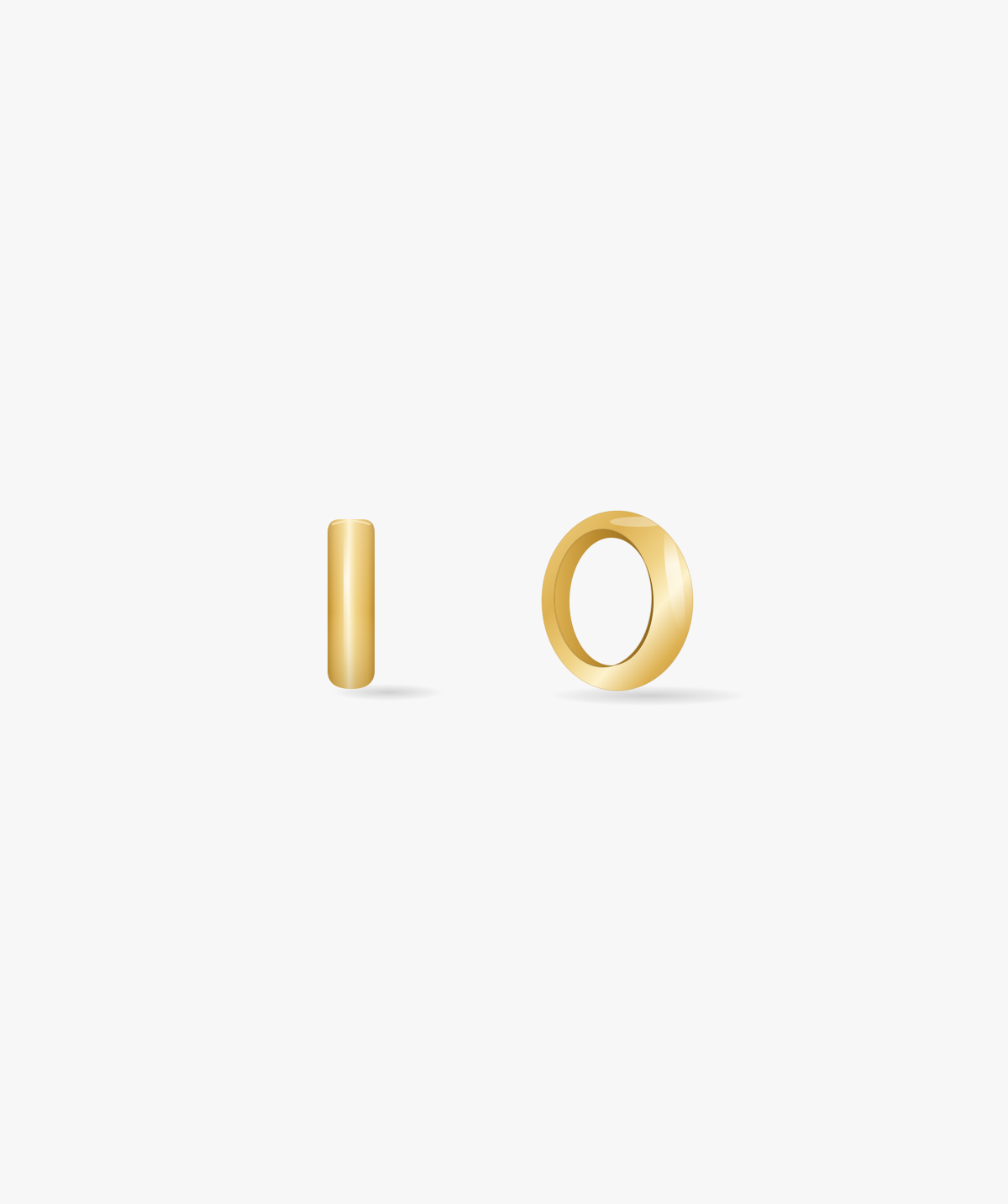
Wren Huggie Hoops in 18k gold vermeil, illustration 18k Gold Vermeil

Shop All / Earrings / Hoop Earrings

Wren Huggie Hoops

4.7 ★

$128

Made for how you wear it Choose one

Showers, workouts, sleep. Tell us, and we’ll match the material honestly.

Sterling Silver $105
18k Gold Vermeil $128
10k Yellow Gold $345

From $6/month, or 4 payments · Get it sooner: pick up at a store near you

1 Year WarrantyFree 30-Day ReturnsFree Shipping

About This Concept

A one-module experiment on the product detail page (PDP): ask how the piece will actually be worn, then recommend the material honestly, both up and down the price ladder.

The Observation

The same design ladders across materials from $72 to $410, up to 5.7× on one piece. It is the largest price decision on the page, and today it is made through two unlabeled swatches: . The biggest average-order-value (AOV) lever on the PDP is unguided.

The trust half of the same problem: a recurring theme in public reviews across direct-to-consumer jewelry is vermeil worn like solid gold, where daily water and sweat wear the plating through and the disappointment lands on the brand, not the material. Vermeil product pages in the category rarely mention water, sweat or fading, so the expectation is set at the moment of purchase. That makes it a product problem, and a fixable one.

The stakes are bigger than one sale. Gildwell runs on loyal repeat buyers, who drive a large share of revenue, with a loyalty program built around them. Those customers came for one promise, quality jewelry without the traditional markup. A piece that quietly disappoints does not just get returned; it ends the repeat relationship. Honest guidance at the moment of choice protects the next purchase, not just this one.

The Concept

One question, placed where the material is chosen: how will you wear it? Each answer re-frames the same three materials with an honest fit line and one recommendation. Switching material updates the piece, the price, and the delta in place; the upgrade to solid gold becomes one tap instead of a back-button hunt.

The module recommends down as often as up: for occasional wear it points to vermeil, the cheaper option. That is what makes the up-recommendation credible when it matters.

The Experiment

  • Hypothesis: honest wear-based guidance at the point of material choice lifts solid-gold mix and reduces vermeil disappointment, with no net conversion loss.
  • Primary metric: SPV, sales per visit (session conversion × AOV).
  • Secondary: solid-gold share of ladder products; add-to-bag rate on multi-material PDPs.
  • Guardrails: 60-day return rate, warranty claims on vermeil, customer-service contacts per order.
  • Long horizon: repeat-purchase rate of module-exposed buyers, the metric the whole concept is really for.
  • Rollout: a split (A/B) test on the top 10 multi-material best sellers before any wider release.

Why It’s Already Gildwell

Gildwell Move already encodes the rule. It is pitched as sweat-proof solid gold for an active life, and the collection contains no vermeil at all. The materials team knows exactly which metal fits which life; that intelligence just lives in a campaign collection instead of on the product page where the decision happens. This module moves an existing brand truth to the point of purchase. Nothing new to believe, only a shorter distance between what Gildwell knows and what the customer sees.

How It Was Built

Researched, specced and built in an AI-native workflow in one working session, from review synthesis across public platforms and a read of how product pages in the category handle materials, through a visual language that fits the category, to this working module. It is the research, synthesis and spec-writing loop product work runs on, compressed into a day. For this portfolio version the brand, product, prices, copy and figures are invented, and the product images are original illustrations.