CONCEPT · A product-page experiment proposal in Mejuri's design language · Not affiliated with Mejuri Corey Brown · coreywbrown.com
Mejuri
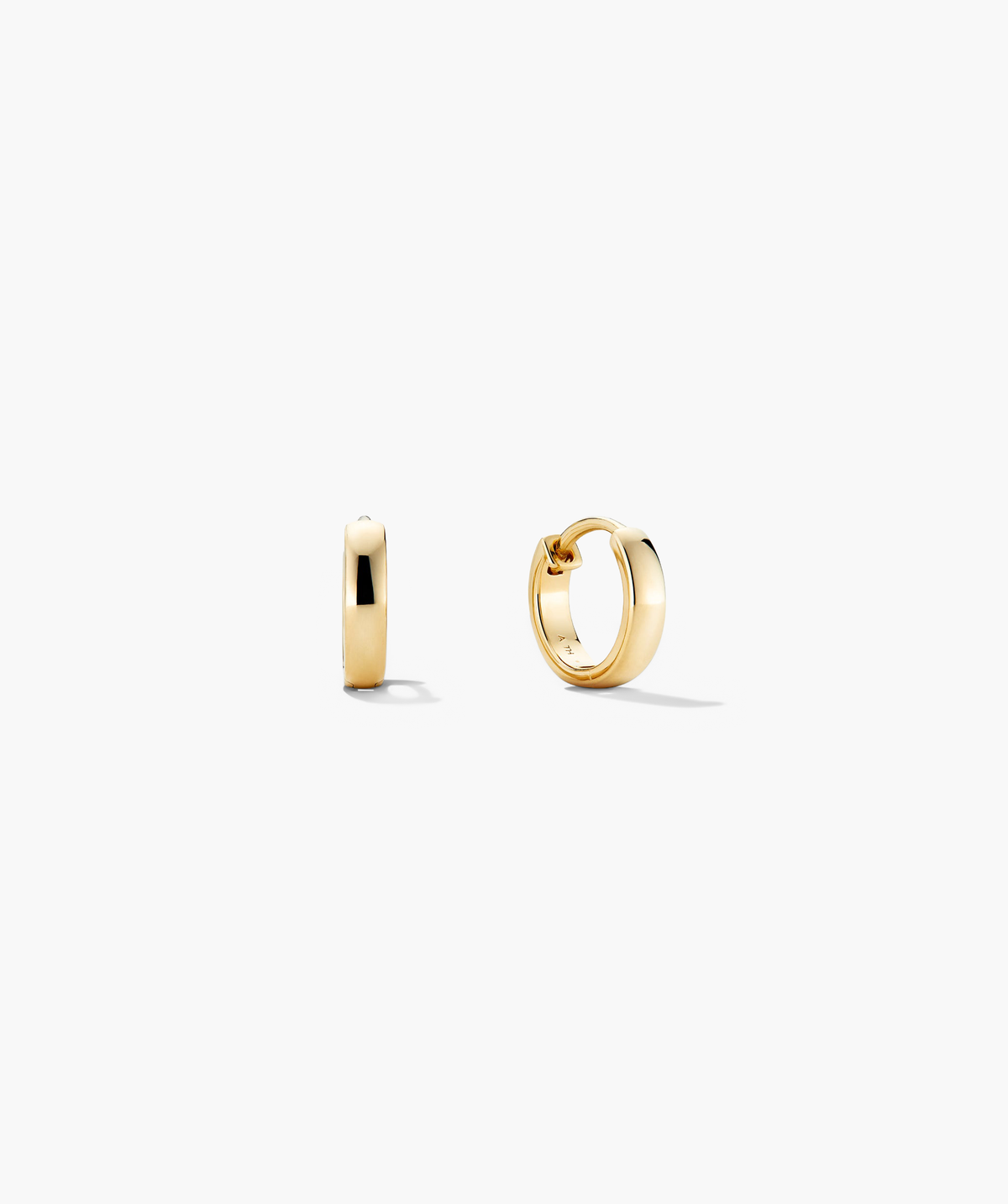
Bold Huggie Hoops in 18k gold vermeil, angled view 18k Gold Vermeil

Shop All / Earrings / Hoop Earrings

Bold Huggie Hoops

4.8 ★

CA$138

Made for how you wear it Choose one

Showers, workouts, sleep. Tell us, and we’ll match the material honestly.

Sterling Silver CA$118
18k Gold Vermeil CA$138
10k Yellow Gold CA$368

From $6/month, or 4 payments · Get it sooner: pick up at Square One

2 Year WarrantyFree Returns & ExchangesFree Shipping

About This Concept

A one-module experiment on the product detail page (PDP): ask how the piece will actually be worn, then recommend the material honestly, both up and down the price ladder.

The Observation

The same design ladders across materials from CA$78 to CA$428, up to 5.5× on one piece. It is the largest price decision on the page, and today it is made through two unlabeled swatches: . The biggest average-order-value (AOV) lever on the PDP is unguided.

The trust half of the same problem: the most common theme in Mejuri’s public reviews is vermeil worn like solid gold, where daily water and sweat wear the plating through and the disappointment lands on the brand, not the material. A vermeil product page never mentions water, sweat or fading, so the expectation is set at the moment of purchase. That makes it a product problem, and a fixable one.

The stakes are bigger than one sale. Mejuri runs on loyal repeat buyers, by the brand’s own accounts between a third of monthly transactions and roughly half of revenue, with a loyalty program built around them. Those customers came for exactly this promise: jewelry that looks great at an honest price. A piece that quietly disappoints does not just get returned; it ends the repeat relationship. Honest guidance at the moment of choice protects the next purchase, not just this one.

The Concept

One question, placed where the material is chosen: how will you wear it? Each answer re-frames the same three materials with an honest fit line and one recommendation. Switching material updates the piece, the price, and the delta in place; the upgrade to solid gold becomes one tap instead of a back-button hunt.

The module recommends down as often as up: for occasional wear it points to vermeil, the cheaper option. That is what makes the up-recommendation credible when it matters.

The Experiment

  • Hypothesis: honest wear-based guidance at the point of material choice lifts solid-gold mix and reduces vermeil disappointment, with no net conversion loss.
  • Primary metric: Digital SPV, sales per visit (session conversion × AOV).
  • Secondary: solid-gold share of ladder products; add-to-bag rate on multi-material PDPs.
  • Guardrails: 60-day return rate, warranty claims on vermeil, customer-service contacts per order.
  • Long horizon: repeat-purchase rate of module-exposed buyers, the metric the whole concept is really for.
  • Rollout: a split (A/B) test on the top 10 multi-material best sellers before any wider release.

Why It’s Already Mejuri

Mejuri Play already encodes the rule. “Rally-ready, sweat-proof solid gold,” and the collection contains no vermeil at all. The materials team knows exactly which metal fits which life; that intelligence just lives in a campaign collection instead of on the product page where the decision happens. This module moves an existing brand truth to the point of purchase. Nothing new to believe, only a shorter distance between what Mejuri knows and what the customer sees.

How It Was Built

Researched, specced and built in an AI-native workflow in one working session: review-corpus synthesis across public platforms, live PDP verification (the zero-mentions count is measured, not estimated), design tokens read from the production site, and this working module: the same loop the role describes for research, synthesis and spec writing. Material descriptions are Mejuri’s own copy; prices and imagery are live product data.